




The AI landscape feels like a roaring ocean. New tools, models, and “game-changers” appear daily. Everyone is talking about prompt engineering, data science, or building the next ChatGPT clone. It’s overwhelming. Most people waste months hopping from one shiny object to another, only to end up nowhere.
But here’s the truth:
The winners in 2026 won’t be those who try everything. They’ll be the ones who pick one clear, leverage-rich lane and master it.
In this guide, you’ll find five practical AI career paths, each with strong demand, low barriers to entry, and real earning potential. Pick one, commit for a year, and you can build serious momentum without needing a PhD or massive funding.
1. The Niche Winner: AI Voice Agents
AI voice agents are transforming small and mid-sized businesses. Imagine automated receptionists that answer calls 24/7, qualify leads, and handle bookings while sounding natural.
Why This Path Works
- Instant ROI for Businesses: A single AI voice agent can replace an entire front-desk team, saving thousands per month. It’s not a “nice-to-have”; it’s a direct cost saver.
- Narrow Yet Scalable Niche: Specializing in one domain, such as AI appointment agents for dental clinics or real estate, makes marketing effortless. You become the go-to expert for a specific need.
- Easy Entry, Big Upside: With tools like Vapi.ai, ElevenLabs, or OpenAI Realtime API, beginners can prototype a working agent in days without coding.
How to Build a Career Around It
- Start by cloning existing business call flows using AI tools.
- Offer “AI receptionist setup” services on Upwork or directly to local businesses.
- Scale by launching an agency or training program.
Voice technology is booming because it brings immediate, tangible value. Businesses don’t need to understand AI to see results; they just want better calls.
2. The Efficiency Engine: AI Workflow Automation
If voice agents are the sizzle, AI automation is the steak. Automation is the invisible force behind modern productivity, and AI has supercharged it.
Why This Path Works
- Every Business Needs It: From marketing agencies to fitness coaches, everyone drowns in repetitive work. Automating workflows with n8n, Make.com, or Zapier AI saves time and money instantly.
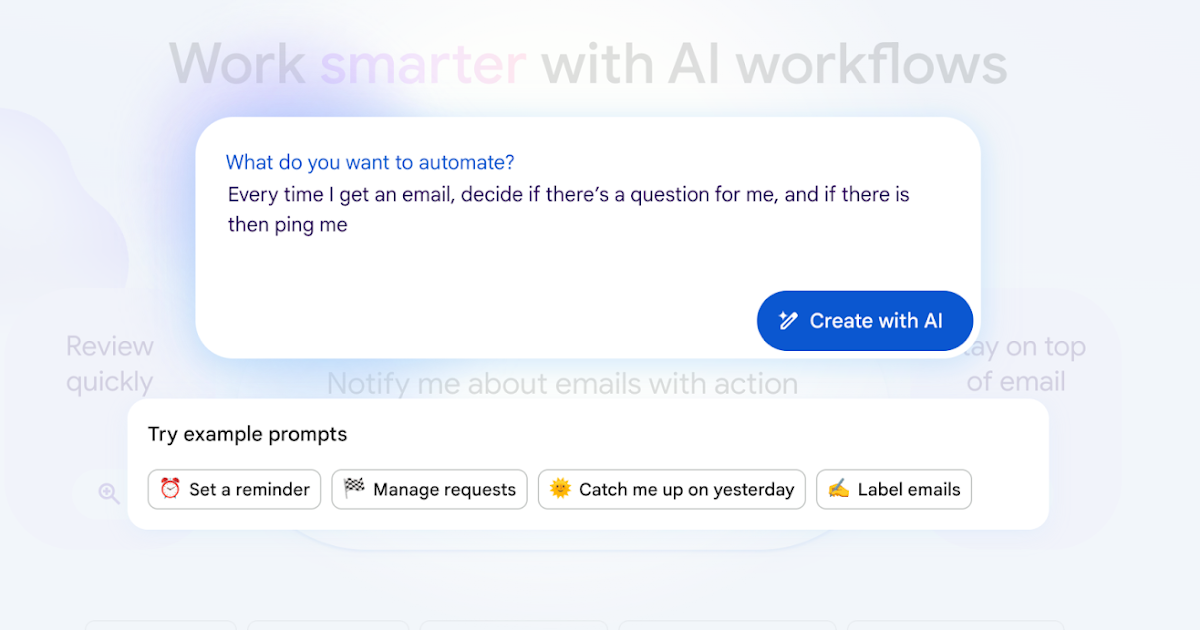
- “Text-to-Workflow” Is Here: You can now tell AI, “When someone fills out this form, summarize it, send an email, and post it to Slack,” and it builds the logic automatically.
- Beginner-Friendly, Client-Heavy: You don’t need deep tech skills. Start by learning integrations between Google Sheets, Notion, and email. One automation can easily justify a $500–$2,000 client project.
Real-World Example
Imagine helping a small e-commerce store automate:
- Order confirmations via email and SMS.
- Inventory updates in Google Sheets.
- Weekly revenue summaries to Slack.
That’s three automations worth $1,000 or more, and you can build them with drag-and-drop tools.
Pro tip: Record case studies as short videos. Clients love seeing results in action.
3. The Modern Creator: Vibe Coding (AI-Assisted Development)
Traditional coding demanded years of study. That era is over. Today’s developers use AI-assisted coding tools to build full applications through guided prompting. This is called Vibe Coding.
Why This Path Works
- AI Is Your Co-Developer: Platforms like Cursor, Lovable, Replit and Claude Code let you write apps by describing what you want in natural language. You learn faster and deliver faster.
- Visual Feedback Loop: Beginners can start by building landing pages or prototypes and see immediate results. This accelerates learning.
- Massive Future Demand: Even non-tech businesses will need “AI-native builders” to customize internal tools.
How to Start
- Use Vibe Coding tools to clone a simple business website.
- Customize it for your local market such as restaurants, realtors, or gyms.
- Progress into building simple apps like booking tools, dashboards, or AI chatbots.
Within 12 to 18 months, you’ll understand software fundamentals, version control (GitHub), and deployment without formal schooling.
The new developer isn’t a coder. They’re a creative prompt engineer with builder instincts.
4. The Scale Artist: AI Image and Video Generation
This is the golden age of AI creative production. Tools like Sora, Runway, and Midjourney are transforming how brands produce marketing content.
Why This Path Works
- Infinite Content Demand: Businesses burn through creative assets such as ads, thumbnails, and reels at record speed. You can generate 100 assets in the time it takes a designer to make five.
- Leverage via Automation: Combine generation with automation:
- Generate dozens of concepts.
- Use AI to select top performers.
- Auto-refine and schedule them for social media.
- Deliver monthly “content packs” to clients on subscription.
- Creative Meets Tech: This space rewards imagination. You can blend storytelling, aesthetics, and AI tools to dominate the digital creative market.
Pro Path
Start as a Creative Automation Specialist. Offer monthly retainers to brands: “I’ll generate, optimize, and manage your content pipeline.” Pair Sora for video with ChatGPT Vision or Runway Gen-2 for automation magic.
AI creativity is no longer about single prompts; it’s about building repeatable creative systems.
5. The Strategic Leader: AI Consulting and Advisory
Every company today feels pressured to “do something with AI,” yet most have no clue where to begin. That’s where AI consultants step in.
Why This Path Works
- Huge Knowledge Gap: Executives are overwhelmed by hype. They don’t need another demo; they need clarity, strategy, and ROI.
- Flexible Business Model: You can start with audits, progress into partnerships, and eventually build your own implementation agency.
- Low Competition (for Now): Few people can bridge the technical and business worlds effectively. This is your opportunity.
How to Become an AI Consultant
- Start with an AI Audit: Interview teams, identify manual processes, and recommend AI tools. Charge $500–$2,000 for your first audits.
- Build Credibility: Publish mini case studies, LinkedIn posts, and YouTube breakdowns of AI success stories in your target industry.
- Monetize Through Partnerships: Partner with automation experts or developers to execute your recommendations, earning referral fees or joint profits.
In time, your expertise evolves into a full advisory business, commanding $5,000–$20,000 retainers.
Bonus: The Connector’s Edge
The fastest-rising AI professionals in 2026 aren’t just builders. They’re connectors.
They combine multiple skill sets: an automation expert who also consults, or a creative who also sells AI-generated marketing systems.
Stack two paths such as “Voice Agents + Consulting” or “Vibe Coding + Automation,” and you multiply your value exponentially.
Your Next Step: Choose and Commit
The key to winning in AI isn’t knowing everything. It’s choosing one high-leverage lane and becoming undeniably good at it.
If you chase every trend, you’ll drown in noise. But if you master one of these five:
- AI Voice Agents
- AI Workflow Automation
- Vibe Coding
- AI Creative Systems
- AI Consulting
You’ll surf the wave instead of being crushed by it.
So stop guessing. Pick your path.
Your future in AI doesn’t start with a certification. It starts with focus.





Leave a Reply